Casual Games Market Hits $20B: AviaGames in the Fastest Growing Sector
Industry News Apr 20, 2026
The one game category that remains hot in the global market as of 2026 is casual games. At the start of the year, several small casual game publishers reached valuations of over $1 billion, and major acquisition deals have also drawn widespread attention.
Over the past two years, the global casual games market has continued to expand, led by strong growth in core puzzle categories, such as match-3 and merge. Not only that, new subgenres have begun to gain traction across Western markets, including Europe and the United States. A prime example of this is AviaGames' Expansion into Europe.
Skill-based games are one of the segments that have seen clear growth. For example, players often talk about these games on platforms like YouTube and Reddit, discussing which ones are fun and sharing a large number of reviews.
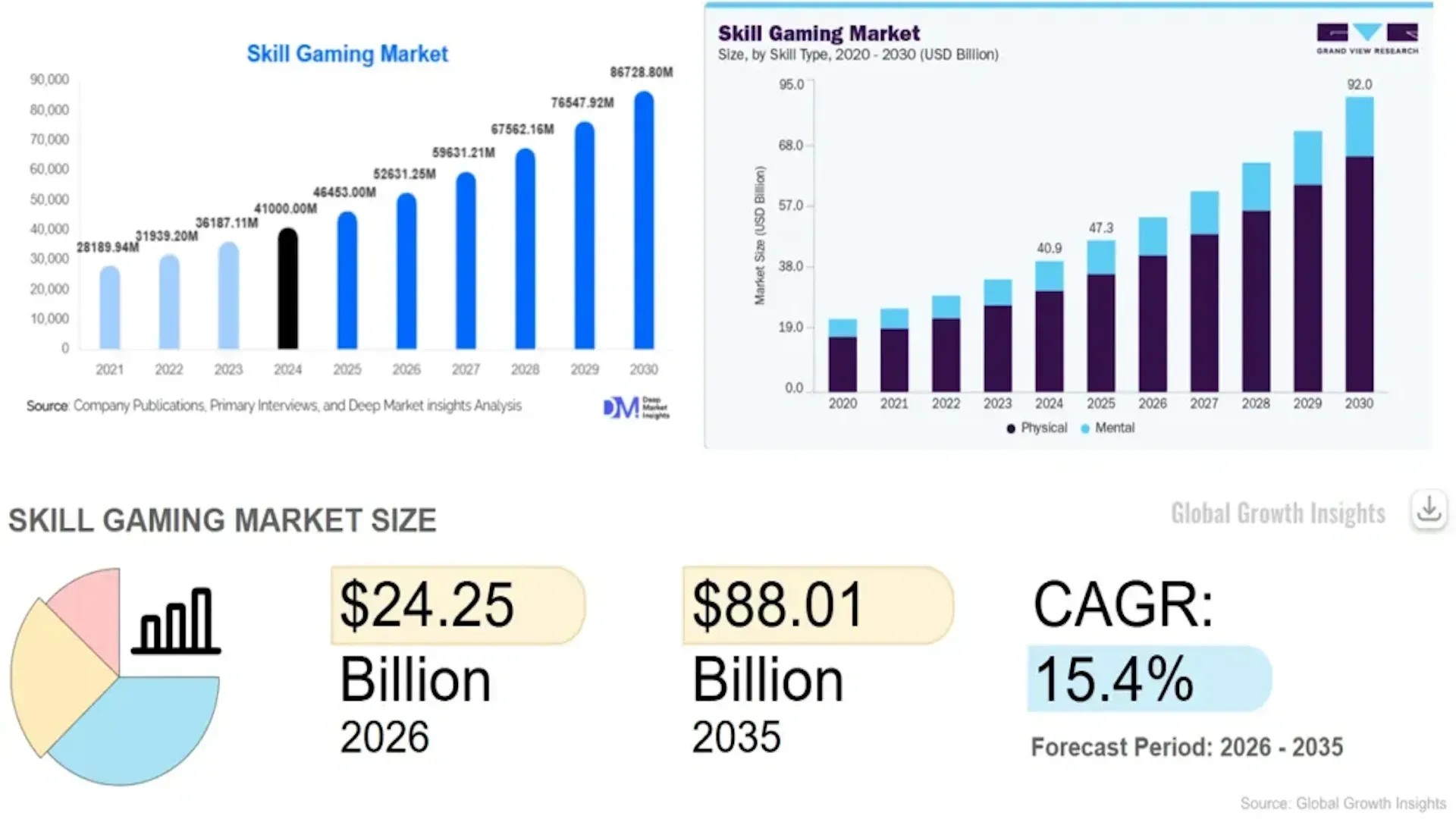
From a broader data perspective, multiple international market research reports estimate that skill-based games reached a market size of over $20 billion in 2025, with a compound annual growth rate exceeding 14% over the next five years.
Especially in Western markets, skill-based games not only account for a significant share of the casual games market but have also attracted a large number of female players and users with little to no gaming experience, thanks to their easy-to-learn classic gameplay, well-developed matchmaking systems, and appealing rewards.
How Classic Casual Games Became Competitive — and Why Players Can't Get Enough
Looking at a longer time frame, it can be seen that as early as 2020–2021, user interest and adoption of competitive casual games, the largest segment within skill-based gaming, was already on the rise. Today, it's no longer a niche category, but a mainstream segment with broad appeal.
So what's driving this surge? A closer look at leading titles may offer some answers. In fact, if you explore a few of these games, you'll notice that their core gameplay is built on familiar, time-tested mechanics.
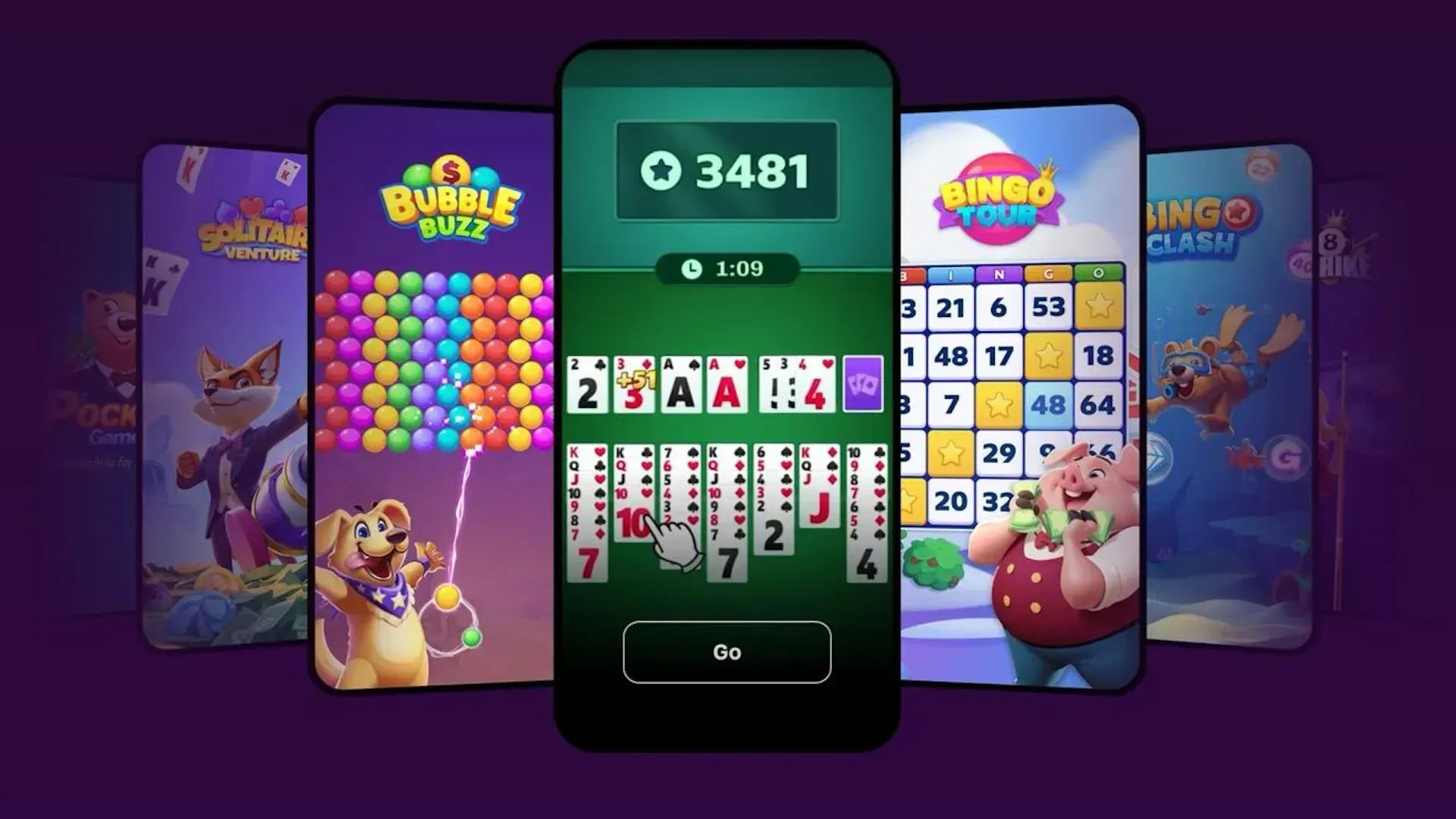
Avia's flagship game, Solitaire Clash, is a great example of this. Since its launch in 2021, it has consistently ranked among the top card games on the U.S. iOS charts. Its core gameplay is based on the classic card game FreeCell. Back in the 90s Office Era, FreeCell — along with Minesweeper and Solitaire — became a staple of everyday computer gaming. In North America, it has an even longer history as a well-known desktop game.
In addition, titles like Bingo Clash, Bingo Tour, 8 Ball Strike, and Block Rise have consistently ranked at the top of the iOS free charts across the U.S., U.K., and Canada, spanning card, sports, and board game categories. These competitive casual games are all built on familiar classics like bingo, pool, and Tetris.
So what sets these games apart from traditional casual titles? And how have they managed to stay near the top of Western charts long after launch? The answer lies in their competitive matchmaking systems.
Using these games as examples, the key difference is simple: they take classic gameplay, such as solitaire, bingo, pool, puzzles, match-3, and arcade-style games — and layer in matchmaking, with a stronger focus on PvP competition.
Compared to more hardcore competitive games, sessions in these titles are short, typically around 1–3 minutes, or up to 4–5 minutes. Combined with easy-to-learn mechanics and low barriers to entry, they're accessible to almost anyone. At the same time, features like timed matches, 1v1 battles, multiplayer tournaments, leaderboards, and point or cash rewards create a faster pace and more frequent moments of excitement, delivering strong, immediate feedback.
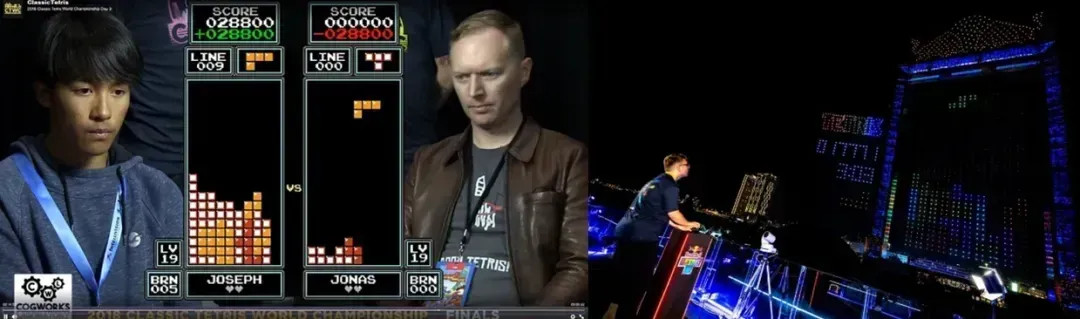
In fact, competitive scoring and tournaments around classic games like Tetris have existed for years. By the end of 2025, official Tetris tournaments have even experimented with new formats, at one point featuring gameplay presented through drone-based displays.
In addition, unlike traditional casual social games with voice chat rooms or platform-based experiences, competitive casual games place much greater emphasis on the gameplay itself. While adapting classic formats, these games retain simple, easy-to-understand rules and fast-paced sessions, but also introduce more skill-based scoring systems by assigning points to each effective move. This adds an extra layer of depth and strengthens the overall competitive experience.
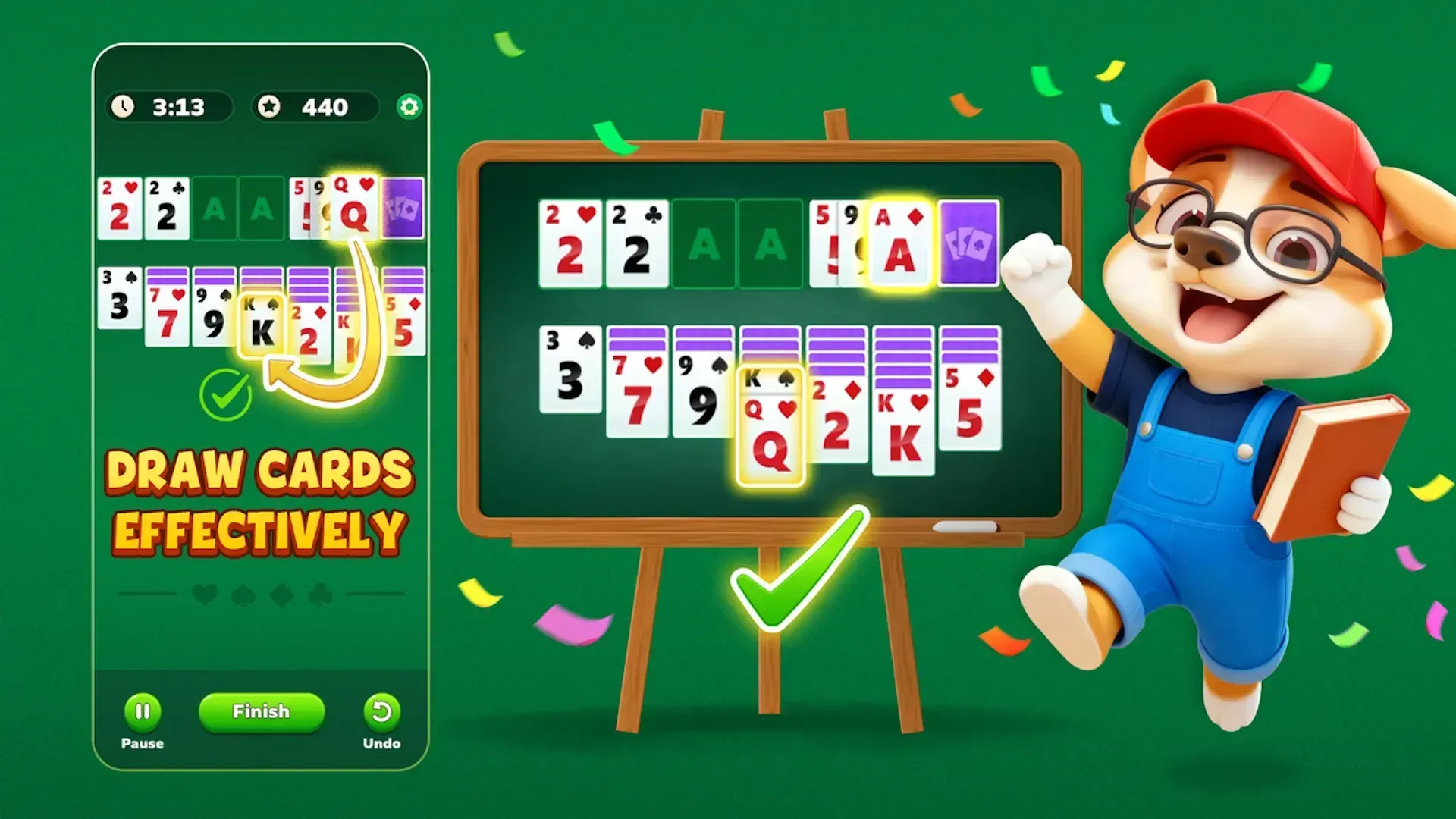
For example, Solitaire Clash, which is based on classic solitaire gameplay, shifts the win condition from the traditional "who finishes first" to "who scores the highest." Players earn points for effective moves, using power-ups, and completing games more quickly.
Similarly, 8 Ball Strike, which has strong player ratings on the App Store, adopts a "highest score wins" approach, significantly reducing the role of randomness and luck in gameplay.
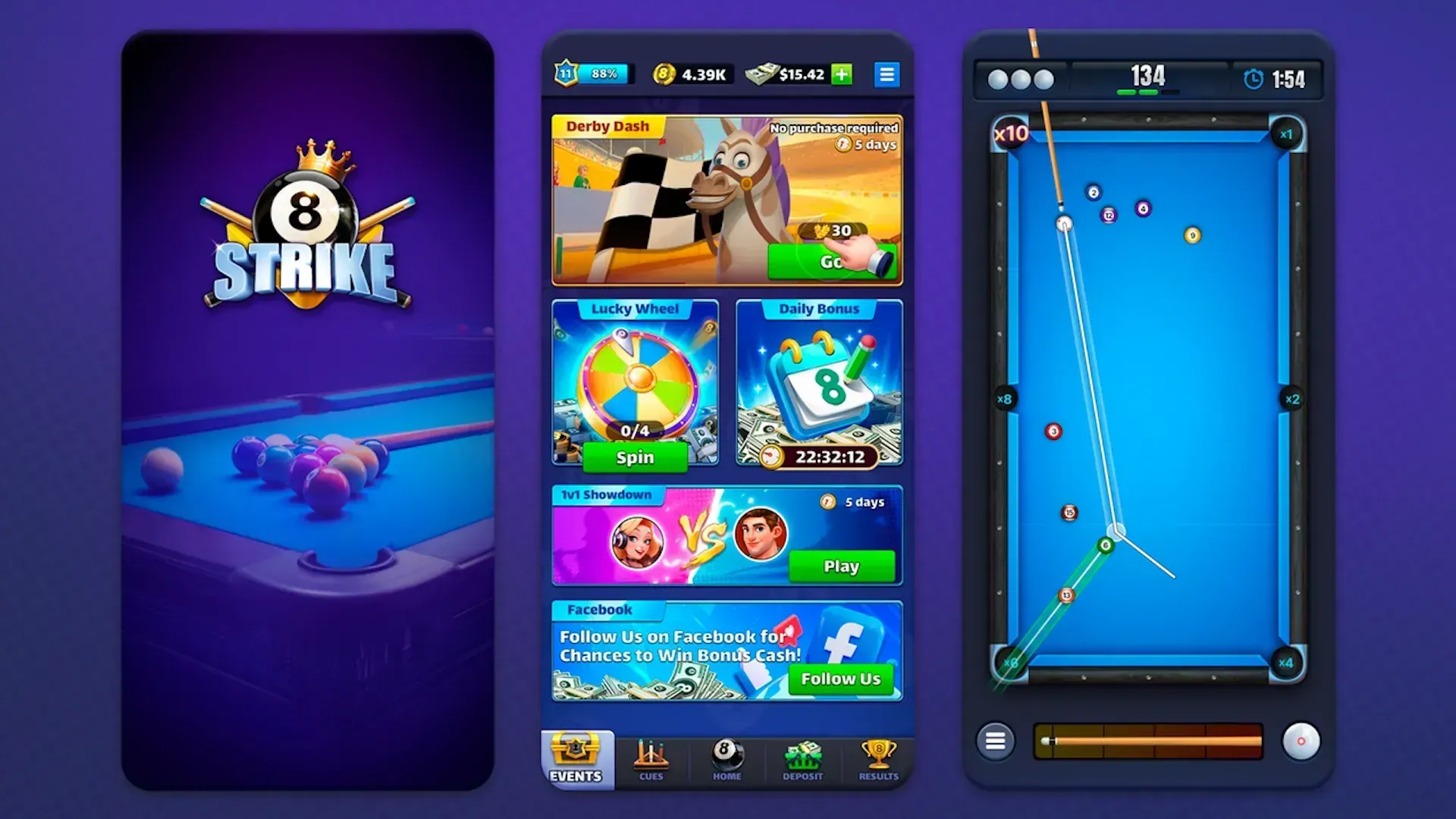
Finally, and more importantly, competitive casual games match players of similar skill levels. Under the same rules, starting conditions, and time limits, the player who makes more effective moves earns a higher score — and wins the reward. This direct outcome makes the competition feel more meaningful, giving players a stronger drive to win and a greater sense of achievement compared to traditional casual games.
AviaGames' Skill-Based Games Go Beyond Classic Gameplay
In fact, if you take a closer look, you'll find that many of the most popular skill-based competitive games are closely tied to AviaGames.
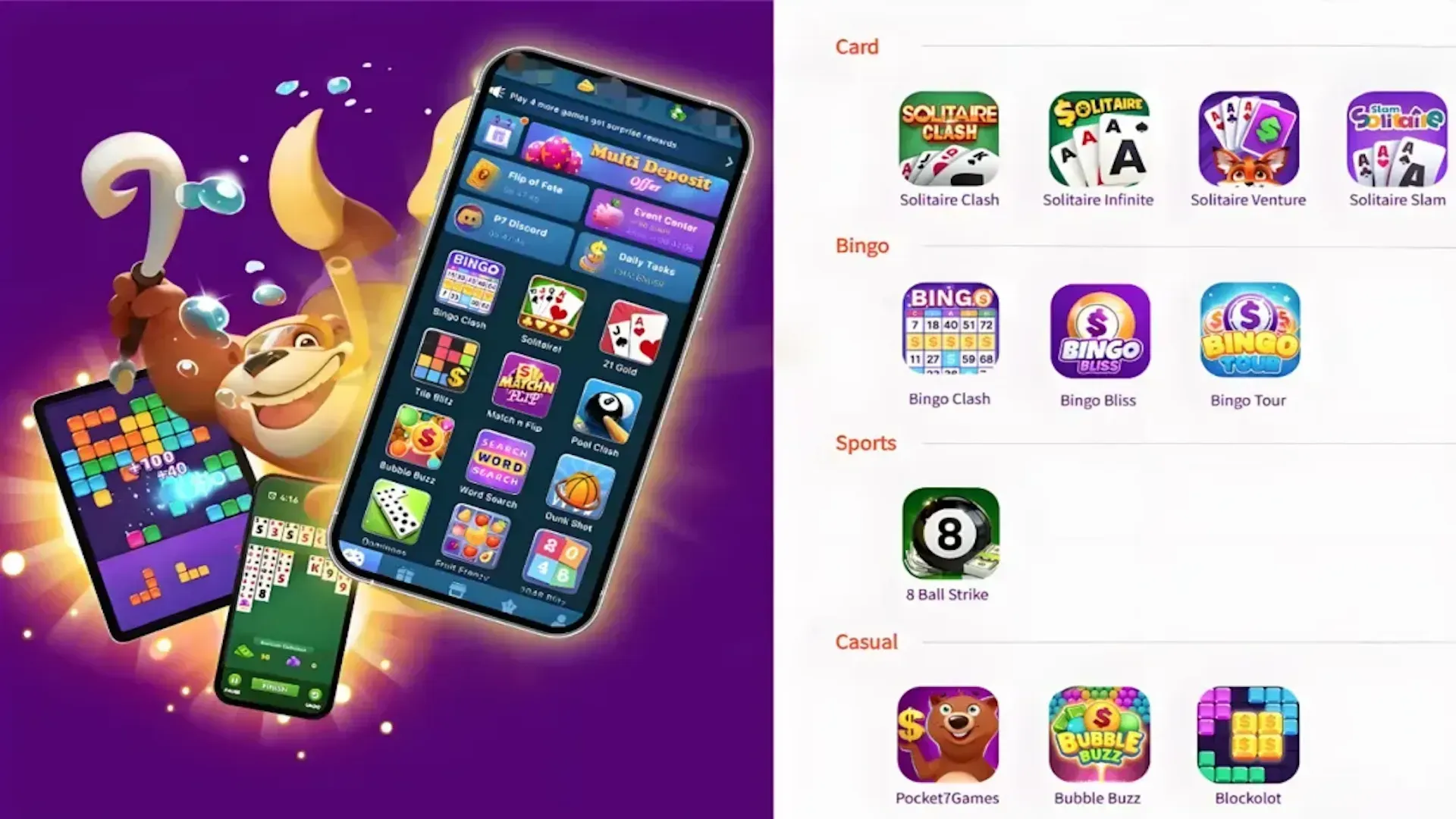
With a portfolio that includes Bingo Clash, Bingo Tour, Pocket7Games, Solitaire Clash, and 8 Ball Strike, among more than a dozen titles, AviaGames has consistently led the skill-based gaming space in Western markets since 2020 — earning a place among the top 40 mobile game companies worldwide by revenue.
AviaGames is a gaming company with a unique blend of Chinese and American roots. On the one hand, it stands out in the industry as a company founded by a female entrepreneur, with women still making up the majority of the workforce. The founder and CEO, Vickie Chen, previously served as Head of Global Publishing at Changyou (Sohu) and brings over 20 years of industry experience. On the other hand, AviaGames is headquartered in Silicon Valley, with additional offices in Beijing, London, and Hamburg, reflecting its global presence and cross-cultural foundation.

Since entering the market in 2016, AviaGames has spent nine years building its presence in skill-based competitive games, focusing not only on product quality but also on long-term player relationships. While many games in this category highlight real money rewards as a key driver, AviaGames takes a different approach. CEO Vickie Chen has stated that she hopes the product will be inclusive for all players. This inclusivity not only means providing a low-threshold form of entertainment but also offering players a community platform that is both stress-relieving and allows them to interact with other players.
Avia's approach combines "short, quick, and easy" gameplay with transparent design. AviaGames demonstrates its commitment to establishing player relationships through its continuous player engagement efforts, including both charity work and community-based events that foster player storytelling.
AviaGames: Building Community Through Gameplay and Beyond

Beyond gameplay, Avia believes long-term success comes from building meaningful connections with players. Rather than focusing solely on rewards, Avia aims to create inclusive experiences that bring people together. Its community-driven initiatives, such as the "Play For Paws" campaign with the SPCA, show how gameplay can extend into real-world impact through charity events, livestreams, and offline activities.
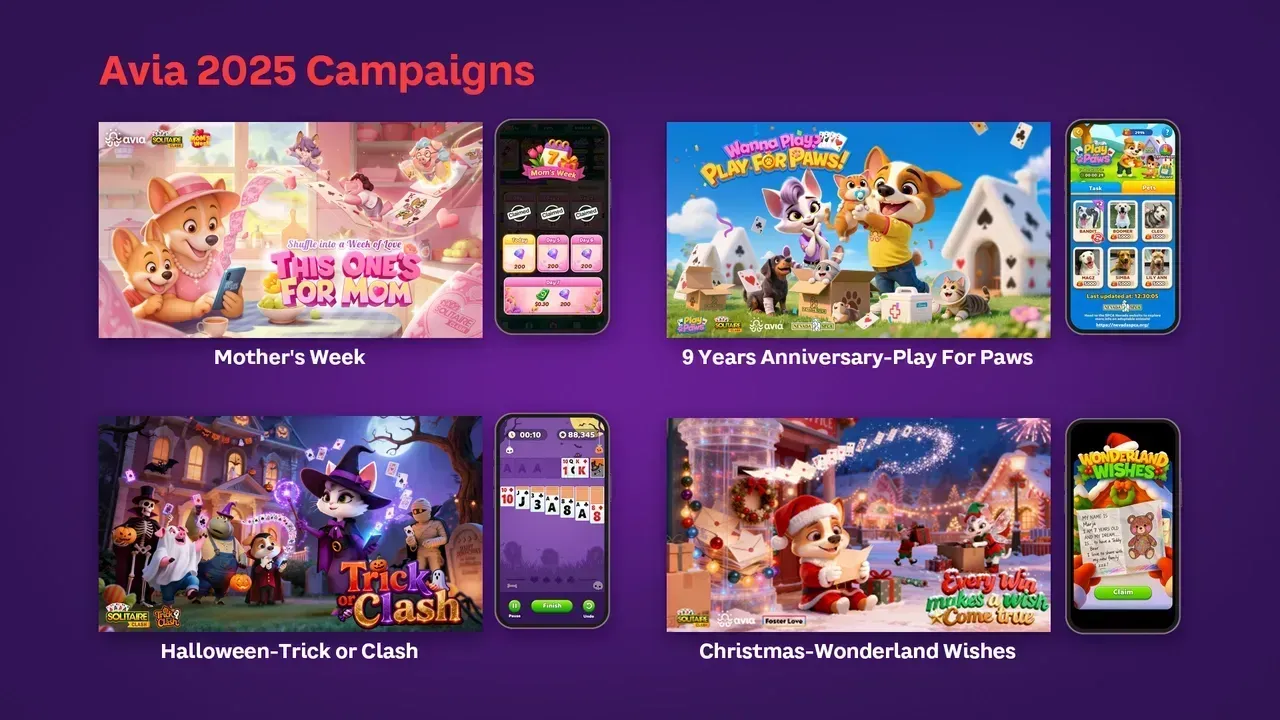
At GDC 2026, Avia also collaborated with Meta in Building Growth Through Partnership: A Practical Avia Playbook for Brand + Performance on Meta to share how storytelling and community-focused campaigns strengthen player engagement and retention. Over the years, Avia has shown how combining gameplay, community, and purpose can extend product lifecycles and deepen player relationships. It also partnered with PayPal to Improve Player Experience and discuss how seamless payments, transparent systems, and integrated fraud detection enhance player trust and overall experience.
The Future of Skill-Based Games Beyond Western Markets
AviaGames demonstrates how skill-based competitive gaming will continue to evolve in the future. This success is driven by strong product design and localized marketing, which have helped accelerate the growth of skill-based casual games in Western markets and attract a broader audience, including female players and those new to gaming. In fact, the opportunity goes beyond Europe and the United States. Skill-based competitive gameplay has a naturally low barrier to entry, similar to earlier voice room-type casual gaming platforms, which have already demonstrated strong potential in markets such as the Middle East, India, Southeast Asia, and Japan. So, once regulatory compliance and localized payment systems are implemented, skill-based competitive games may unlock greater opportunities across the global market.
Avia's team combines its extensive experience in fair competition and product development with local market strategies to create a new type of global gaming experience. Avia is committed to keeping you updated as it moves forward and brings these developments to life.
You Might Also Like

Industry NewsApr 4, 2026
How a Female Founder Built AviaGames Into a Top 40 Global Mobile Gaming Company